


What makes a taro smoothie so special? It’s the soft nuttiness of the root, the creamy texture, and just the right touch of sweetness. Some versions are blended with coconut milk, others with whole milk or almond milk. It pairs beautifully with boba pearls or a drizzle of condensed milk. The color is often soft lavender, elegant and subtle.
Today, I’ll show you not only how to make it from scratch but how to understand what makes taro different from similar ingredients like ube. We’ll also talk about its health perks and some of the best tweaks you can try. If you’re a fan of other creamy drinks like this blueberry banana peanut butter smoothie, this one’s for you.
Table of Contents
A Taste of Comfort: Why Taro Smoothies Mean So Much to Me
Taro smoothie memories from my kitchen
I remember the first time I made a taro smoothie at home. I had just come back from a visit to a small Asian tea shop that served taro bubble tea with chewy tapioca pearls. That smooth, nutty flavor stayed with me. Back in my kitchen, I decided to recreate it using real taro root instead of the usual powder. The result was a creamy, subtly sweet drink with a natural lilac hue that felt warm and satisfying, like a cozy hug in a glass.
This smoothie quickly became more than just a drink. It turned into a ritual, especially after long days when I wanted something that felt both indulgent and nourishing. I’ve made it for friends, family, and even as a breakfast treat on weekends. The more I played with ingredients, the more I appreciated the root’s soft flavor and how well it paired with milk, boba pearls, and sweeteners like honey or condensed milk.
The magic behind the flavor
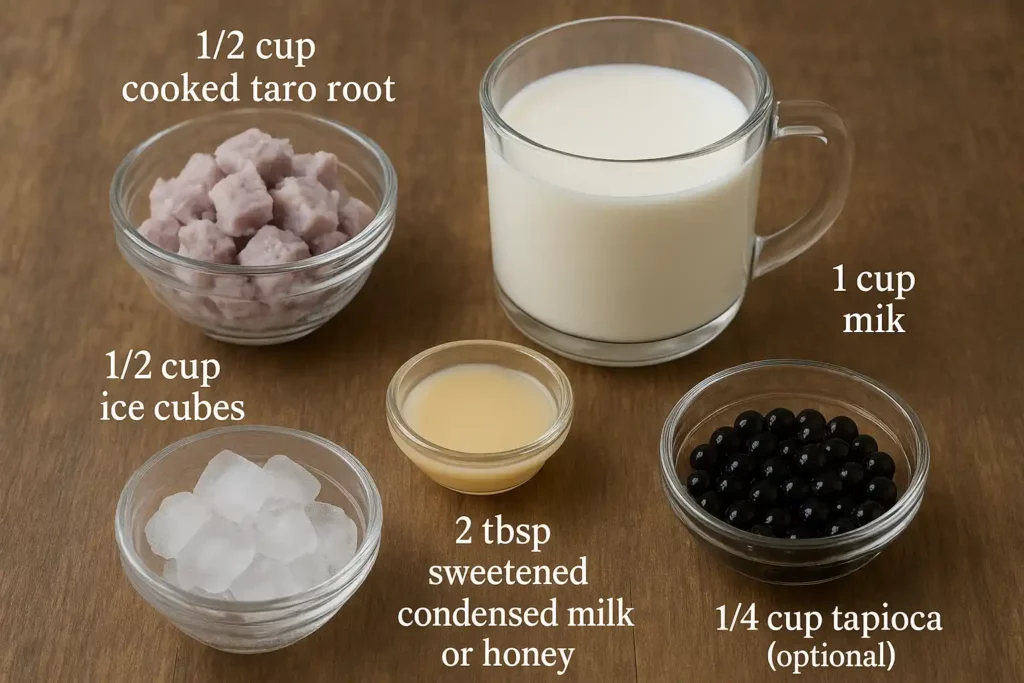
What makes a taro smoothie so unique is the taro itself. When cooked, it takes on a fluffy, almost potato-like texture, with a hint of nuttiness and earthiness. Blended with milk and ice, it becomes silky smooth. Unlike overly sugary drinks, this one lets the root’s natural character shine. It’s mildly sweet, satisfying, and comforting all at once.
The best part is how easy it is to adjust. You can go with coconut milk for tropical depth, almond milk for a nutty twist, or oat milk for a gentle creaminess. Some even add boba for fun texture or top it with whipped cream for a little dessert moment. In the next section, I’ll walk you through what exactly taro is and why it’s been loved for centuries across different cultures.
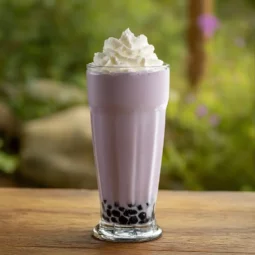
Taro Smoothie
Ingredients
- 1/2 cup cooked taro root or 3 tbsp taro powder
- 1 cup milk dairy or non-dairy
- 2 tbsp sweetened condensed milk or honey
- 1/2 cup ice cubes
- 1/4 cup tapioca pearls optional
Instructions
- 1. If using boba, cook tapioca pearls according to package directions and set aside.
- 2. Add cooked taro, milk, sweetener, and ice to a blender.
- 3. Blend until smooth and creamy.
- 4. Pour into a tall glass. Add boba if using.
- 5. Top with whipped cream or garnish if desired.
Notes
Understanding Taro: The Root Behind the Smoothie
What is taro and where does it come from?
Taro is a starchy root vegetable that’s been used for centuries in Asian, African, and Pacific Island cuisines. With its brown, fibrous skin and creamy interior speckled with faint purple dots, it might look unassuming, but it transforms beautifully when cooked. Once steamed or boiled, taro becomes soft, slightly sweet, and wonderfully nutty. It’s similar in texture to a cooked potato but has a more delicate taste.
In cooking, taro appears in both savory and sweet dishes. In Southeast Asia, it’s often featured in coconut-based desserts, sticky rice, or steamed buns. You might recognize it from taro cakes in Chinese cuisine or the creamy base of Filipino halo-halo. That same root is what gives the taro smoothie its signature flavor, especially when you make it with fresh taro instead of powder.
You can usually find taro root in the produce section of Asian supermarkets. Look for firm roots without soft spots or cracks. If you’re new to it, start by buying a small piece, peeling the thick skin, and boiling it until fork-tender before blending it into smoothies.
Taro root vs. taro powder: Which is better for smoothies?
There’s a big difference between real taro root and taro powder. Powdered taro is widely used in bubble tea shops, it’s easy to store and provides a consistent flavor and bright purple hue. However, many commercial powders contain artificial colors, sweeteners, or thickeners.
On the other hand, fresh taro offers a cleaner, more authentic taste. It’s creamy, nutty, and doesn’t overpower the drink. The color is much more muted, closer to pale lavender than bright purple, but the depth of flavor is worth it.
If you prefer the look of the purple drink but want to use real taro, consider blending in a touch of purple sweet potato or using natural food coloring for that vibrant shade. Either way, both forms can create a delicious taro smoothie, but the root brings the true essence of the ingredient to life.
Taro vs. Ube: Know the Difference Before Blending
How to tell taro and ube apart
People often confuse taro with ube, but they’re two different root vegetables with their own unique looks and flavors. Visually, taro has a pale beige interior dotted with soft purple flecks, while ube (also called purple yam) is known for its deep, rich purple color throughout. Once cooked, ube turns into a vibrant violet mash, while taro becomes light and creamy with only a slight purple tint.
When it comes to flavor, taro has a mild, nutty taste that’s subtle and comforting. Ube, on the other hand, is sweeter and has hints of vanilla. Both are starchy and soft when cooked, making them great for desserts and drinks, but they’re not interchangeable if you’re after a specific taste. That’s why a taro smoothie made with real taro has a gentle, earthy sweetness, while ube-based drinks are more dessert-like in taste.
The mix-up often happens because many taro powders are artificially colored to look like ube, leading people to think taro should be bright purple. In reality, a smoothie made from fresh taro root won’t look quite as vibrant, but it will taste much more authentic.
Different roots, different uses
Culinarily, taro and ube serve different purposes. Taro is often steamed or boiled and used in soups, stir-fries, or mashed into desserts. It’s even found in dim sum dishes and traditional stews. Ube shines in Filipino desserts like ube halaya, ube ice cream, and sweet pastries.
For smoothies, both can be used, but the result is different. A taro smoothie delivers a balanced, nutty flavor that pairs well with milk and subtle sweeteners. Ube gives a more dessert-like profile and is usually sweeter to start with. Understanding this helps you decide which root fits your flavor goals.
Taro Smoothie Nutrition: Why It’s More Than Just a Sweet Treat
A fiber-packed root with powerful benefits
Taro root is more than just tasty, it’s loaded with nutrients. One of its standout qualities is its high fiber content. A single cup of cooked taro provides about 7 grams of dietary fiber, which helps with digestion, supports gut health, and keeps you feeling full longer. That means a taro smoothie isn’t just a craving-satisfier, it can actually support healthy weight management when made with clean ingredients.
Fiber also helps regulate blood sugar levels, making taro a smart pick for people looking to avoid blood sugar spikes. This makes it a better option than many sugary drinks, especially when blended with naturally sweet additions like banana or dates instead of syrups.
Vitamins, minerals, and antioxidant support
Taro root is also rich in potassium, magnesium, and phosphorus, minerals your body needs for muscle function, heart rhythm, and bone strength. It’s a good source of vitamin C, which supports the immune system, and contains small amounts of vitamin E and B6, known for helping with skin health and energy metabolism.
What makes taro really special is its antioxidant content. Compounds found in taro can help reduce oxidative stress by neutralizing harmful free radicals. Over time, this may support long-term health and reduce inflammation.
Combined with nutritious add-ins like almond milk, chia seeds, or fresh fruit, a taro smoothie can be a refreshing way to get a boost of nutrients. It’s a drink that satisfies your sweet tooth while giving your body a little extra love.
It’s similar to how an acai blueberry smoothie delivers antioxidant power with great taste, making both drinks great choices for health-conscious smoothie lovers.

Taro Smoothie: A Delicious Tradition Worth Sipping
There’s a reason why the taro smoothie continues to win hearts around the world. It’s more than a trendy drink, it’s a gentle, creamy blend of flavor, nutrition, and culture. Whether you use fresh taro root or powdered mix, the nutty sweetness and smooth texture make every sip a little celebration. Plus, with its fiber, vitamins, and antioxidant benefits, it offers more than just good taste.
If you’ve never made one at home, now’s the time. You can keep it classic or try your own twists with different milk options, natural sweeteners, or toppings like boba and whipped cream. It’s a drink that invites creativity.
I’d love to hear how your taro smoothie turned out. Share your version, experiment with flavors, and keep coming back to your kitchen, not just for food, but for joy. And if you loved this recipe, check out more smoothies and creative drinks to keep your blender busy and your taste buds happy.
Taro Smoothie FAQs: What You Need to Know
What does taro taste like, and what is the flavor of a taro smoothie?
Taro has a mild, nutty flavor with subtle sweet and earthy notes. When blended into a smoothie, especially with milk or coconut milk, it becomes creamy and comforting. A taro smoothie has a smooth texture and a flavor that’s gentle, a bit floral, and naturally satisfying, perfect for those who prefer a less sugary drink.
Is taro healthy, and are there health benefits associated with taro smoothies?
Yes! Taro root is a great source of fiber, potassium, and antioxidants. It can help support digestion, balance blood sugar, and provide important nutrients like vitamin C and magnesium. A taro smoothie made with fresh ingredients can be both nourishing and energizing, especially when compared to other drinks high in fiber and nutrients, like these smoothies high in iron and protein.
What is taro made of, and what is the difference between taro and ube?
Taro is a root vegetable with a starchy interior and soft purple flecks. It’s often cooked and blended for smoothies or used in savory dishes. Ube is a purple yam with a more vibrant color and sweeter, vanilla-like taste. While both are used in desserts, a taro smoothie has a nuttier, milder flavor than one made with ube.
Why is taro milk or a taro smoothie often purple, and is there caffeine in taro smoothies?
Real taro is pale with a slight lavender tint. The bright purple color in many drinks comes from added food coloring or purple sweet potato powder. As for caffeine, no, a taro smoothie made with natural ingredients is caffeine-free unless you add tea or coffee.