
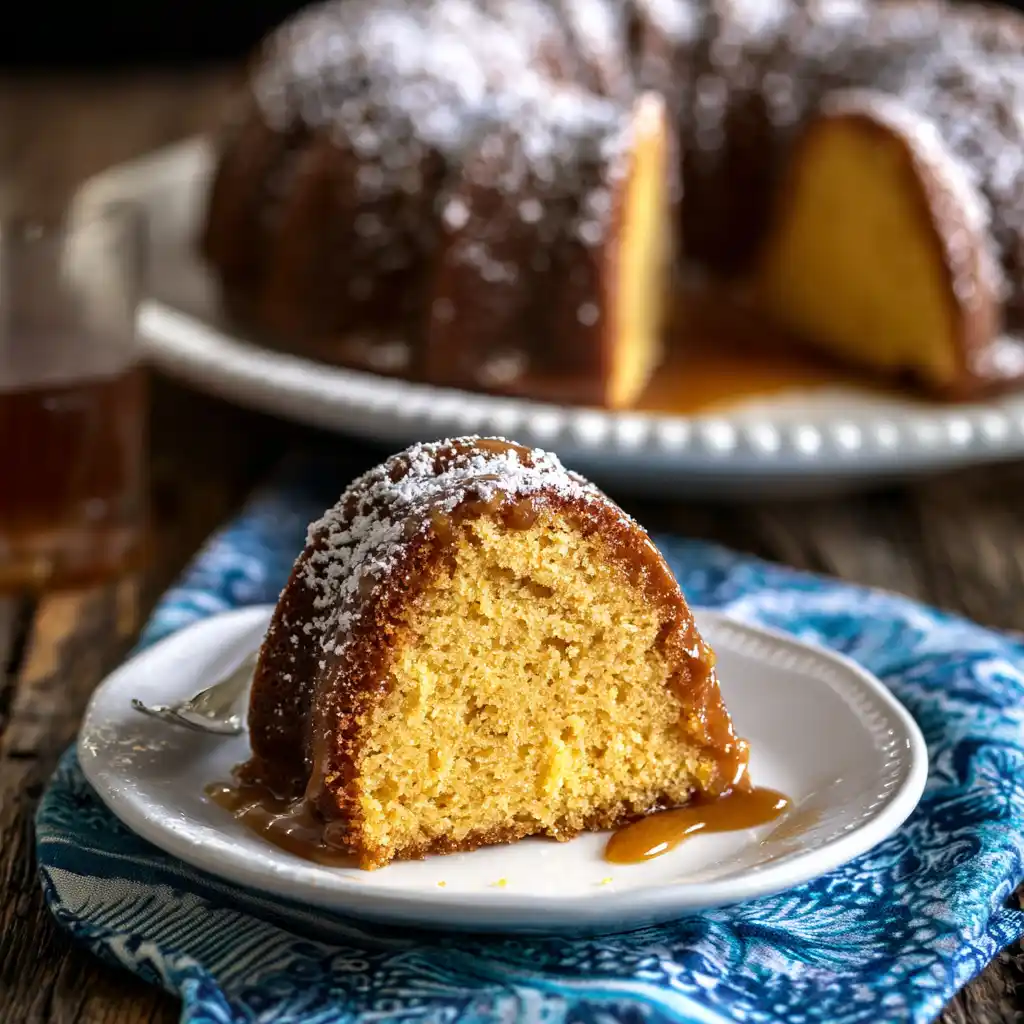

Cuban desserts are more than just sugary indulgences, they’re vibrant expressions of culture, love, and tradition. I still remember the smell of cinnamon and vanilla drifting from my grandmother’s kitchen as she stirred Arroz con Leche in her old enamel pot. That creamy rice pudding wasn’t just a dessert, it was comfort in a bowl, passed down with every spoonful.
Cuba’s dessert table is influenced by centuries of Spanish, African, and Caribbean heritage. Whether it’s creamy custards or syrup-soaked pastries, these sweets are always present during holidays and family gatherings. Today, I’m sharing five iconic Cuban desserts that hold a special place in my heart and on many Cuban tables.
Each recipe blends familiar pantry ingredients with bold tropical flair, like mango, coconut, and anise. From rice pudding to mango cake, you’re about to discover treats that are both nostalgic and refreshingly unique. And the best part? These are all easy enough to recreate at home.
Ready to bring the flavor of Cuba to your kitchen? Let’s dive into the five must-try Cuban desserts, starting with a classic favorite.
Table of Contents
Arroz con Leche: A Creamy Cuban Classic
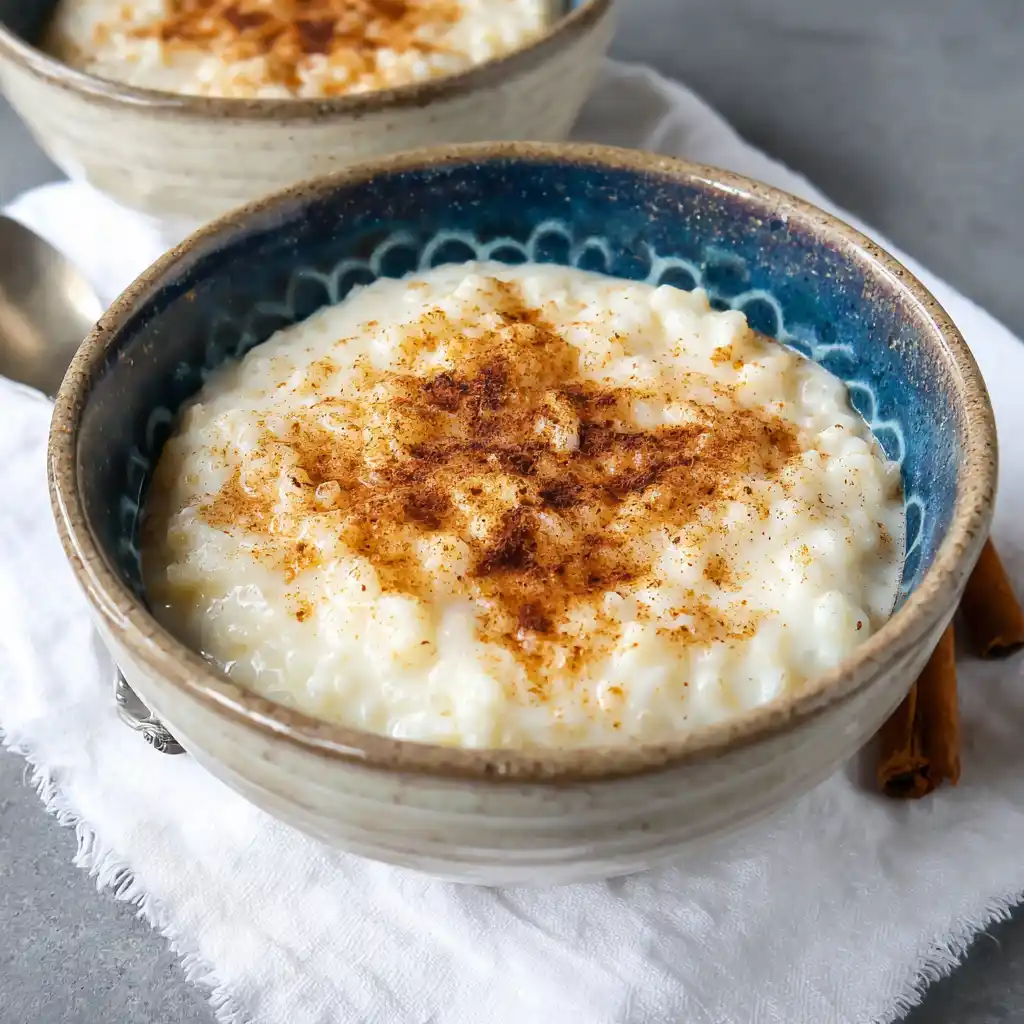
If there’s one dish that perfectly captures the soul of Cuban comfort food, it’s Arroz con Leche. This creamy rice pudding is slow-cooked with cinnamon, lemon peel, and sweetened milk to create a rich, smooth dessert that brings generations together.
Arroz con Leche (Creamy Cuban Rice Pudding)
Ingredients
- 1/2 cup short grain rice
- 2 cups water
- 1 long strip of lemon peel
- 1 cinnamon stick
- 1 pinch of salt
- 2 cups whole milk
- 1 14 ounce can sweetened condensed milk
- 1 teaspoon vanilla extract
- Ground cinnamon for garnish
Instructions
- 1. In a large saucepan, combine rice, water, lemon peel, cinnamon stick, and salt.
- 2. Cook over medium heat for 20 minutes, stirring often, until rice is tender and water is absorbed.
- 3. Remove from heat and stir in the sweetened condensed milk, whole milk, and vanilla.
- 4. Return to medium-low heat and cook for 30 minutes, stirring constantly to avoid sticking.
- 5. Once thickened, remove from heat. Do not scrape the bottom if it sticks.
- 6. Spoon into serving dishes, top with ground cinnamon, and chill for a few hours.
Notes
Key Ingredients for Authentic Flavor
Cuban rice pudding is made with short-grain rice for its tender, sticky texture. The rice simmers in water with lemon peel and a cinnamon stick, which gently infuses the base. Then, both sweetened condensed milk and whole milk are stirred in to create that classic creamy consistency. A splash of vanilla adds warmth to every bite.
Here’s a breakdown of the essentials:
| Ingredient | Quantity |
|---|---|
| Short-grain rice | 1/2 cup |
| Water | 2 cups |
| Sweetened condensed milk | 1 can (14 oz) |
| Whole milk | 2 cups |
| Cinnamon stick + Lemon peel | To infuse flavor |
Tips for Creamy Perfection
Use a heavy-bottomed pot to avoid scorching. Stir often and never scrape the bottom if it sticks, this keeps the pudding silky. Once thickened, spoon the mixture into bowls and chill until set. Sprinkle ground cinnamon before serving.
Cuban desserts like this one are perfect for preparing ahead, and the flavor only gets better as it rests in the fridge. Simple, classic, and deeply comforting, Arroz con Leche is proof that the best desserts come from tradition.
Natilla Cubana: A Silky Custard with Generations of Love
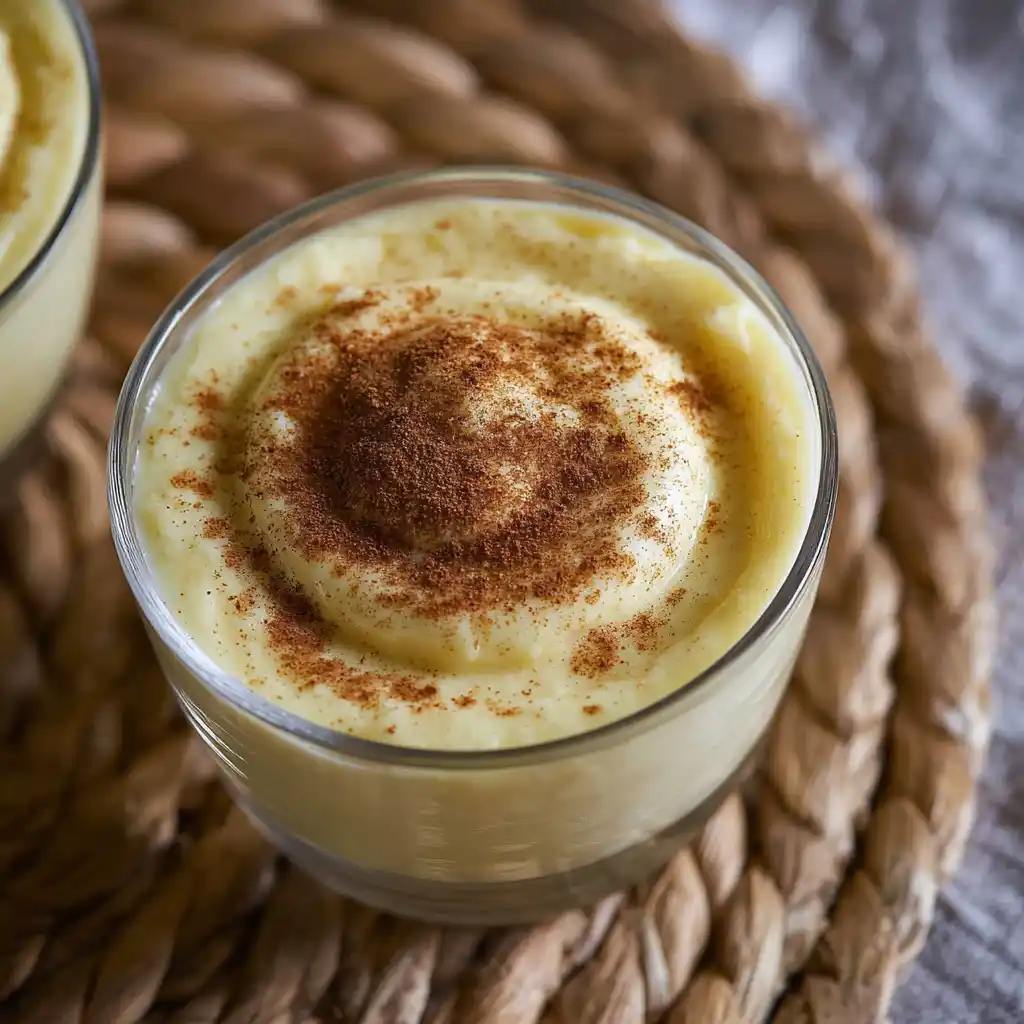
Natilla Cubana isn’t just a dessert, it’s a warm memory served in a small bowl. This sweet, creamy custard is a Cuban favorite, often made by grandmothers during holidays or for special Sunday meals. It’s silky smooth, gently spiced, and full of comforting flavors. When I was little, I’d sneak into the kitchen just to scrape the bottom of the pot after my mom made a fresh batch.
Among traditional Cuban desserts, natilla stands out for its simplicity and elegance. It’s made from egg yolks, milk, sugar, and a few flavorful additions like cinnamon and citrus peel. The result is a dessert that tastes like a hug from abuela, rich, tender, and just the right amount of sweet.
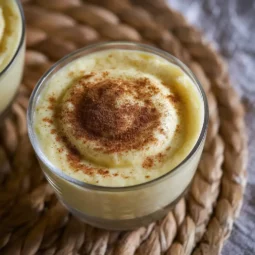
Natilla Cubana (Smooth Cuban Custard)
Ingredients
- 4 egg yolks
- 2 cups whole milk
- 1 cinnamon stick
- 1 lime peel
- 1/4 teaspoon salt
- 3 teaspoons cornstarch
- 3/4 cup sugar
- 1/2 teaspoon vanilla extract
Instructions
- 1. Place milk, cinnamon stick, salt, and lime peel in a saucepan over medium-low heat. Simmer for 7–10 minutes, stirring occasionally, without boiling.
- 2. Remove from heat and let steep to infuse flavors. In a small bowl, dissolve cornstarch in 2 tablespoons of the warm milk mixture.
- 3. In a mixing bowl, beat egg yolks and sugar until fully blended.
- 4. Slowly temper egg mixture by adding warm milk, 1/2 cup at a time, stirring constantly.
- 5. Once half the milk is incorporated, discard cinnamon and lime peel, then return custard to saucepan.
- 6. Add cornstarch mixture to the pot and stir over medium-low heat until it thickens, about 10 minutes.
- 7. Remove from heat and stir in vanilla. Pour into ramekins or bowls.
- 8. Cover with plastic wrap directly on the surface and refrigerate for 2 hours.
- 9. Sprinkle cinnamon on top before serving.
Notes
Simple Ingredients, Perfect Texture
The process of making Natilla Cubana is all about patience and stirring. You start by simmering milk with a cinnamon stick, a bit of lime peel, and salt to build a soft, spiced base. Once it’s steeped, the milk is slowly combined with egg yolks and sugar, this step is called tempering, and it keeps the custard from curdling. After that, the custard is gently cooked again with cornstarch until it thickens just enough to coat a spoon.
Here’s what you’ll need for the perfect natilla:
| Ingredient | Quantity |
|---|---|
| Egg yolks | 4 |
| Whole milk | 2 cups |
| Cornstarch | 3 tsp |
| Sugar | 3/4 cup |
| Vanilla extract | 1/2 tsp |
| Cinnamon stick + Lime peel | For infusing milk |
A Few Tips to Get It Just Right
Always stir the mixture continuously with a wooden spoon while it thickens. This helps avoid lumps and keeps the custard smooth. Once done, pour it into ramekins and cover with plastic wrap to prevent a skin from forming. Chill in the fridge for at least two hours, then dust lightly with cinnamon before serving.
Cuban desserts like natilla are special because they’re made with intention. It’s not just about feeding the family, it’s about sharing tradition and creating joy around the table.
Cuban Rum Cake: A Moist and Boozy Showstopper
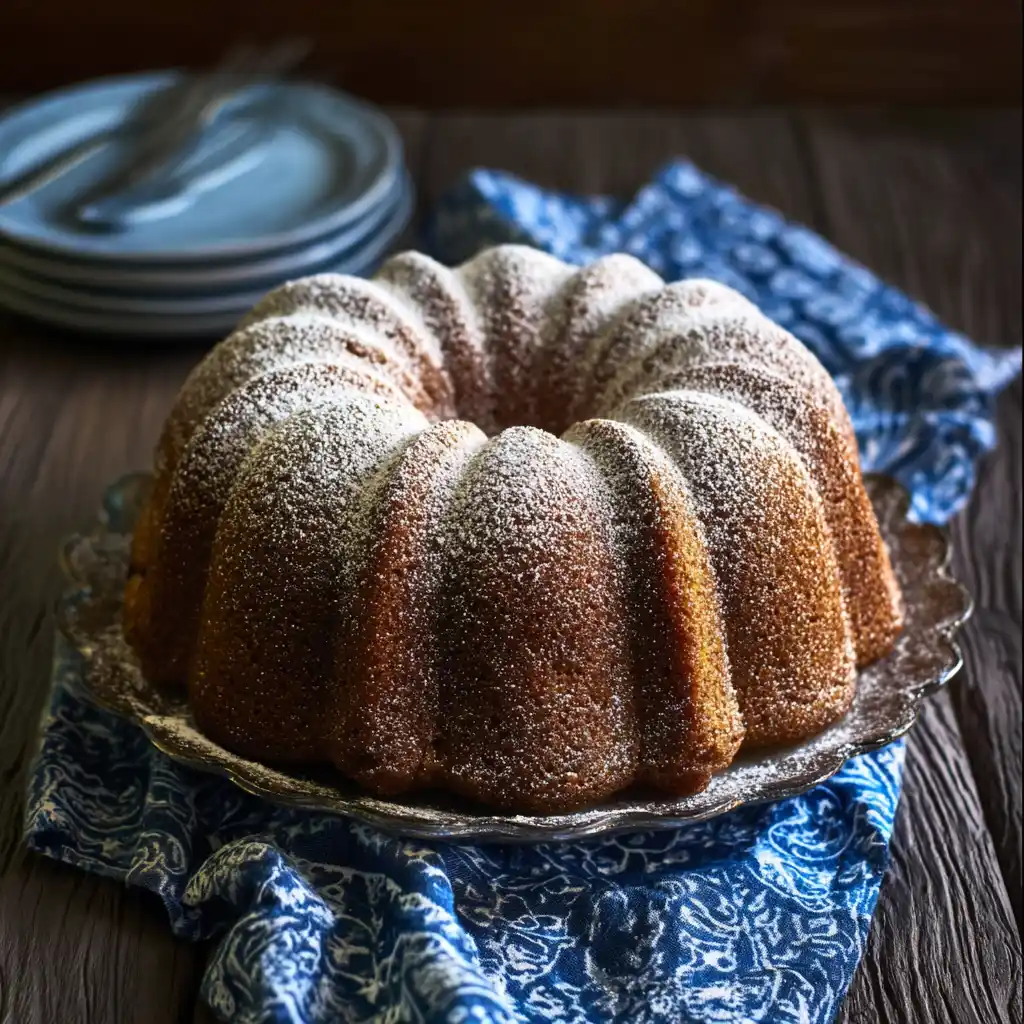
If you’re looking for one of the most festive and flavor-packed Cuban desserts, Cuban rum cake, also known as Bizcocho de Ron, is a must. This rich, buttery cake is soaked in a dark rum syrup that gives every bite incredible moisture and depth. I remember the first time I had it as a teen at a New Year’s Eve party. One bite in and I was hooked. The soft crumb, the warm flavor, the shiny glaze, it was the perfect dessert to celebrate something special.
Unlike plain yellow cake, this one brings texture and taste together with a grown-up twist. The rum doesn’t just sit on top, it seeps into every inch of the cake, thanks to a clever technique and just the right ingredients.

Cuban Rum Cake (Bizcocho de Ron)
Ingredients
- 2¼ cups cake flour
- 1 tsp salt
- 2 tsp baking powder
- 1 cup unsalted butter softened
- 2 cups brown sugar light or dark, packed
- 4 eggs
- 2 tsp vanilla extract
- 1 cup heavy whipping cream
For the syrup :
- 8 tbsp unsalted butter
- 1/2 cup dark rum
- 1 tsp fresh lemon juice
- 1 cup brown sugar
- 1 tbsp light corn syrup
- Powdered sugar for dusting optional
Instructions
- 1. Preheat the oven to 350°F and grease/flour a Bundt pan.
- 2. Sift together cake flour, salt, and baking powder. Set aside.
- 3. Using a mixer, cream the butter and brown sugar until fluffy. Add eggs and vanilla; mix until smooth.
- 4. Add the flour mixture in parts, alternating with the heavy cream. Mix until just combined.
- 5. Pour batter into the prepared Bundt pan and bake for 50–60 minutes until a toothpick comes out clean.
- 6. Meanwhile, make the syrup: melt butter in a saucepan, add rum, lemon juice, sugar, and corn syrup. Simmer gently and set aside to cool.
- 7. Once the cake is out of the oven, place on a wire rack over a sheet tray. Poke holes all over the cake with a skewer.
- 8. Spoon syrup evenly over the cake. Let it soak for 30 minutes.
- 9. Loosen edges with a knife and invert onto a serving plate. Dust with powdered sugar before serving.
Notes
Building the Perfect Texture and Flavor
Cuban rum cake starts with cake flour, which gives it a fine, tender crumb. The batter blends brown sugar, vanilla, and heavy cream for richness. After baking it in a Bundt pan until golden and fragrant, you make the syrup, this is where the magic happens.
The warm glaze combines butter, brown sugar, dark rum, corn syrup, and a little lemon juice. Once the cake is out of the oven, you poke holes all over and spoon that glossy syrup until the cake soaks it all up.
Here’s the breakdown of what you’ll need:
| Ingredient | Quantity |
|---|---|
| Cake flour | 2¼ cups |
| Brown sugar (packed) | 2 cups |
| Unsalted butter | 1 cup (plus 8 tbsp for syrup) |
| Dark rum | 1/2 cup |
| Heavy cream | 1 cup |
| Vanilla extract | 2 tsp |
Serving and Storage Tips
After soaking, let the cake rest for at least 30 minutes to absorb all the syrup. You can dust it with powdered sugar or serve it as-is, the shiny top speaks for itself. This dessert keeps well for days and can even be frozen.
Among classic Cuban desserts, rum cake brings bold flavor with a beautiful finish. It’s the kind of sweet treat that turns a simple gathering into a celebration.
Cuban Buñuelos: Crispy, Syrupy, and Full of Tradition
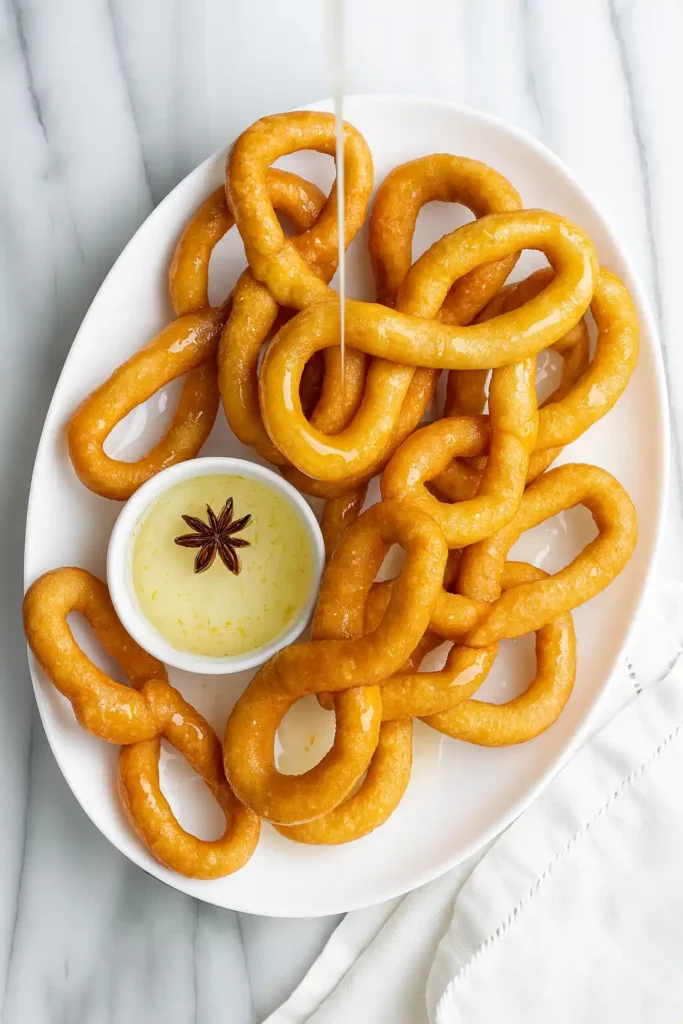
During Cuban holidays, especially Christmas and New Year’s, you’ll often find a plate of golden brown buñuelos on the table. These fried pastries, shaped into delicate figure-eights, are made from root vegetables like yuca and malanga. Then, they’re soaked in a warm syrup flavored with cinnamon, lime, and star anise. Sweet and lightly spiced, they’re one of the most nostalgic treats in the Cuban kitchen.
Making these takes a little extra time, but the result is more than worth it. Crisp on the outside, soft and chewy inside, buñuelos bring people together, whether you’re kneading the dough or dipping each piece into the syrup, there’s joy in every step.
Cuban Buñuelos (Fried Root Vegetable Pastries)
Ingredients
For the syrup :
- 2 cups granulated sugar
- 1 cup water
- 1 cinnamon stick
- 2 whole star anise
- 1 tbsp fresh lime juice
- 1/2 tsp lime zest
For the dough :
- 1 lb yuca peeled and cubed
- 1 lb malanga peeled and cubed
- 1 large egg whisked
- 1 tsp anise extract
- 1 tsp salt
- 1/3 cup all-purpose flour plus more for dusting
- Vegetable oil for frying
Instructions
- 1. In a saucepan, combine sugar, water, cinnamon stick, star anise, lime juice, and zest. Bring to a boil while stirring.
- 2. Reduce heat and simmer for 5 minutes. Remove from heat and discard spices. Let syrup cool.
- 3. In a pot, boil yuca and malanga in water until fork-tender (20–30 minutes). Drain and remove yuca’s fibrous core.
- 4. Mash both until smooth. Add egg, anise extract, salt, and mix well.
- 5. Add flour and knead to form a smooth dough. Work on a floured surface if needed.
- 6. Divide dough into 12–14 equal pieces. Roll each into a rope and shape into figure 8s, pressing ends to seal.
- 7. Heat oil in a skillet to 375°F. Fry in batches for 2–3 minutes per side until golden. Don’t overcrowd the pan.
- 8. Transfer to paper towels to drain excess oil. Drizzle or dip in syrup before serving.
Notes
A Unique Dough with Root Veggie Goodness
What sets Cuban buñuelos apart from other fritters is the dough. Instead of wheat-based batter, these use a mashed blend of yuca and malanga. These starchy tubers are boiled until fork-tender, then mashed with egg, anise extract, salt, and flour to form a soft, pliable dough. The subtle flavor of the anise makes each bite distinctively Cuban.
After shaping the dough into twisted figure-8s, they’re fried until golden and then coated in syrup. Here’s what goes into making them:
| Ingredient | Quantity |
|---|---|
| Yuca (peeled, cubed) | 1 lb |
| Malanga (peeled, cubed) | 1 lb |
| Egg | 1, beaten |
| Anise extract | 1 tsp |
| All-purpose flour | 1/3 cup |
| Cinnamon stick, star anise, lime juice (for syrup) | To taste |
Tips for Crisp and Syrupy Perfection
Make sure your root vegetables are fork-tender but not mushy. This ensures your dough holds together when shaping. While frying, avoid crowding the pan. Once golden, dip or spoon syrup generously over each buñuelo, letting them soak slightly before serving.
Among festive sweets, buñuelos are one of the most hands-on Cuban treats. But when done right, they’re also one of the most satisfying.
Cuban Mango Cake with Coconut: A Tropical Finish
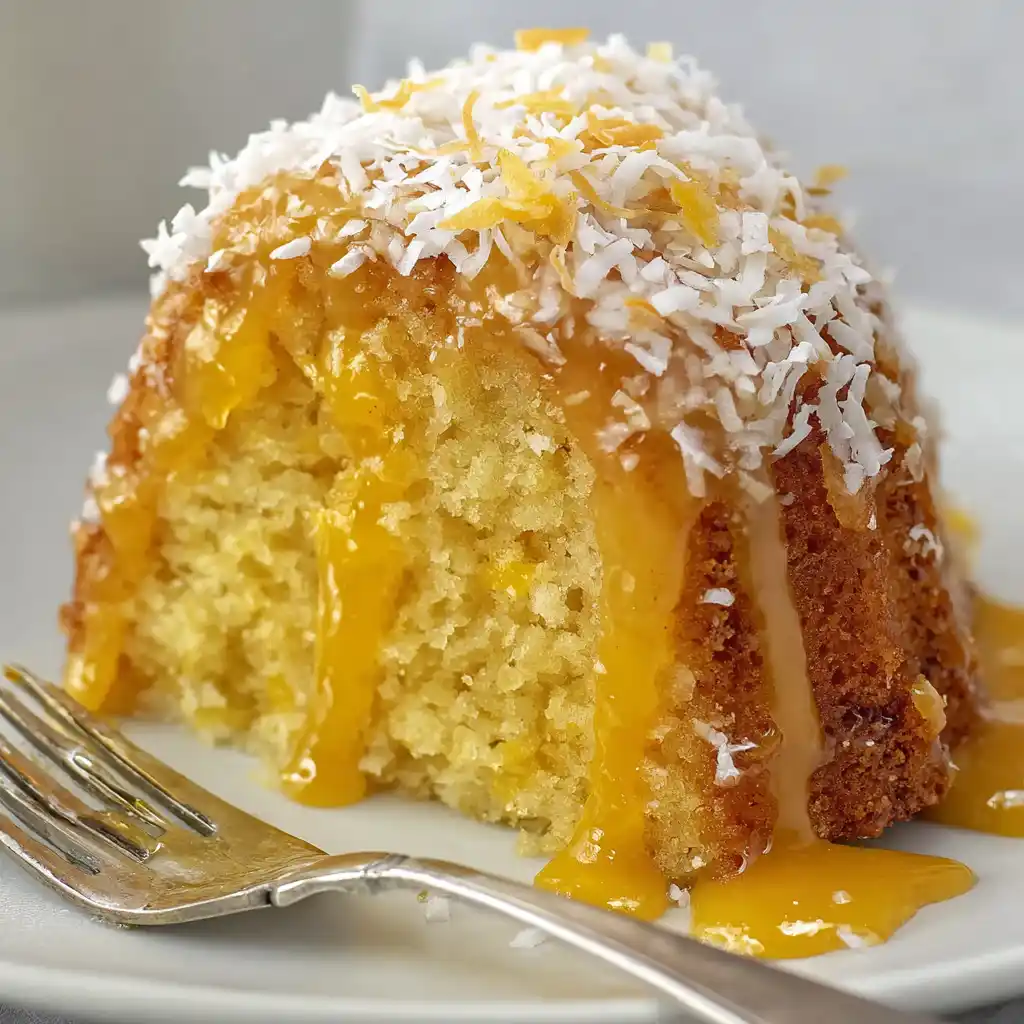
This cuban desserts brings sunshine to the table. Cuban mango cake with coconut is tropical, fragrant, and just sweet enough. The first time I made it, the smell of ripe mango and vanilla baking together reminded me of island summers and open windows. It’s light yet rich, simple yet striking, exactly the kind of cake you’ll want to make again.
It’s different from other Cuban desserts because it’s fruit-forward and elegant. The soft cake layers are made with mango puree and topped with a coconut glaze that melts slightly into the crumb, making every bite moist and flavorful.
Cuban Mango Cake with Coconut
Ingredients
- 3 cups cake flour
- 1 tsp baking powder
- 1/2 tsp baking soda
- 1/2 tsp salt
- 1 1/2 cups unsalted butter softened
- 2 1/2 cups superfine sugar
- 7 eggs
- 1/2 cup sour cream
- 2 tsp vanilla extract
- 2 mangoes peeled and chopped
- 1 –2 mangoes thinly sliced for garnish
- 1 recipe coconut icing see notes
Instructions
- 1. Preheat oven to 325°F. Grease and flour two 9-inch cake pans and set aside.
- 2. In a bowl, whisk together flour, baking powder, baking soda, and salt. Set aside.
- 3. In a mixer, beat butter and sugar until light and fluffy. Add eggs one at a time, mixing after each.
- 4. Stir in vanilla, chopped mangoes, and half of the sour cream.
- 5. Add half of the flour mixture, then the rest of the sour cream, followed by the remaining flour.
- 6. Divide batter evenly between the two pans. Smooth tops and bake for 40–45 minutes.
- 7. Let cakes cool in pans for 10 minutes, then turn out onto racks to cool completely.
- 8. Frost bottom layer with 1 cup coconut icing. Stack and finish icing the whole cake.
- 9. Press shredded coconut onto the sides and top. Garnish with mango slices in a circular pattern.
Notes
Tropical Ingredients with Classic Technique
The cake batter starts with cake flour for a tender texture. Superfine sugar and sour cream give it balance and richness. The real star, though, is the mango, both chopped and sliced. Fresh, ripe mangoes work best. If they’re fragrant and slightly soft to the touch, they’re perfect for baking. The icing is made with coconut milk and a touch of vanilla, making a smooth glaze that complements the fruit without overpowering it.
Here’s what you need for this island-inspired dessert:
| Ingredient | Quantity |
|---|---|
| Cake flour | 3 cups |
| Unsalted butter | 1½ cups (softened) |
| Superfine sugar | 2½ cups |
| Eggs | 7 |
| Sour cream | ½ cup |
| Mangoes (chopped & sliced) | 3–4 total |
| Coconut icing (separate recipe) | For frosting & glaze |
Tips for Success
Use two 9-inch cake pans and bake at 325°F. Let the cakes cool fully before layering and glazing to prevent melting. The coconut icing can be pressed with shredded coconut or flaked on top for texture. Garnish with sliced mango in a circular pattern for a stunning presentation.
Among all these desserts, this one feels like the perfect finale, light, tropical, and full of flavor. It’s proof that Cuban baking knows how to bring warmth and joy to any moment.
Conclusion: Indulge in the Sweetness of Cuba
Whether you’re drawn to the creamy comfort of arroz con leche, the silky spoonful of natilla, or the rich rum-soaked crumb of bizcocho de ron, Cuban desserts bring more than flavor, they tell a story. They speak of family kitchens, passed-down recipes, and celebrations filled with warmth.
Each dish we explored showcases something special about Cuba’s culinary spirit. From tropical ingredients to beloved traditions, these desserts are easy to recreate at home and always worth the effort. So next time you’re craving something sweet, try adding one of these Cuban classics to your recipe box.
And if you’re still in the mood for rich, creamy indulgence, don’t miss our blueberry cheesecake recipe , it’s another crowd-pleaser that feels just as special.
Don’t forget to share your favorite Cuban desserts in the comments. Which one reminds you of home? Which one are you excited to try?
Frequently Asked Questions About Cuban Desserts
Do Cuban desserts contain a lot of sugar?
Yes, many traditional Cuban desserts are sweet, but the sweetness often comes from ingredients like condensed milk or ripe tropical fruits. While sugar is used, it’s usually balanced with spices like cinnamon or citrus zest. Dishes like arroz con leche or natilla don’t taste overly sugary, they’re rich and comforting instead of overly sweet.
What’s the difference between Natilla and Flan?
Both are creamy custards, but natilla has a smoother texture without the caramel topping that defines flan. Natilla is thickened with cornstarch, while flan uses whole eggs and is baked with a caramel layer that melts over the custard when inverted. In short, natilla is simpler and served chilled in a ramekin, making it a common pick among homemade Cuban desserts.
Are all Cuban rum cakes alcoholic?
Cuban rum cake does contain alcohol, but not enough to cause intoxication. Most of the alcohol in the syrup cooks off slightly, especially if the cake is allowed to rest. Still, there are versions that use rum extract for a non-alcoholic alternative, keeping the flavor without the booze. It’s one of the most iconic celebratory Cuban desserts for adults.
Can I make these desserts ahead of time?
Absolutely. Many Cuban desserts, like arroz con leche or rum cake, actually benefit from sitting overnight. The flavors deepen, the texture sets, and you’ll find them even more delicious the next day. Natilla, mango cake, and buñuelos can also be made a day in advance with no loss of quality.
What are common substitutes for traditional Cuban ingredients?
If you don’t have malanga or yuca for buñuelos, try using mashed potato and a bit of flour, though the texture will differ slightly. For cake flour, you can make your own by combining all-purpose flour with cornstarch. When it comes to rum, stick with dark varieties, or use rum extract for a milder version. These substitutions make Cuban desserts more accessible without losing their roots.